


The Palace Museum is usually the starting point. A dedicated Forbidden City Private Tour gives enough time to understand the central axis, court hierarchy, ceremonial halls, residential areas, and architectural details without turning the visit into a race through courtyards.
What Makes a Heritage Tour Different?
A standard city tour often treats the Forbidden City, Temple of Heaven, Summer Palace, Great Wall, and hutongs as separate stops. A heritage route gives each place a role in the same narrative.
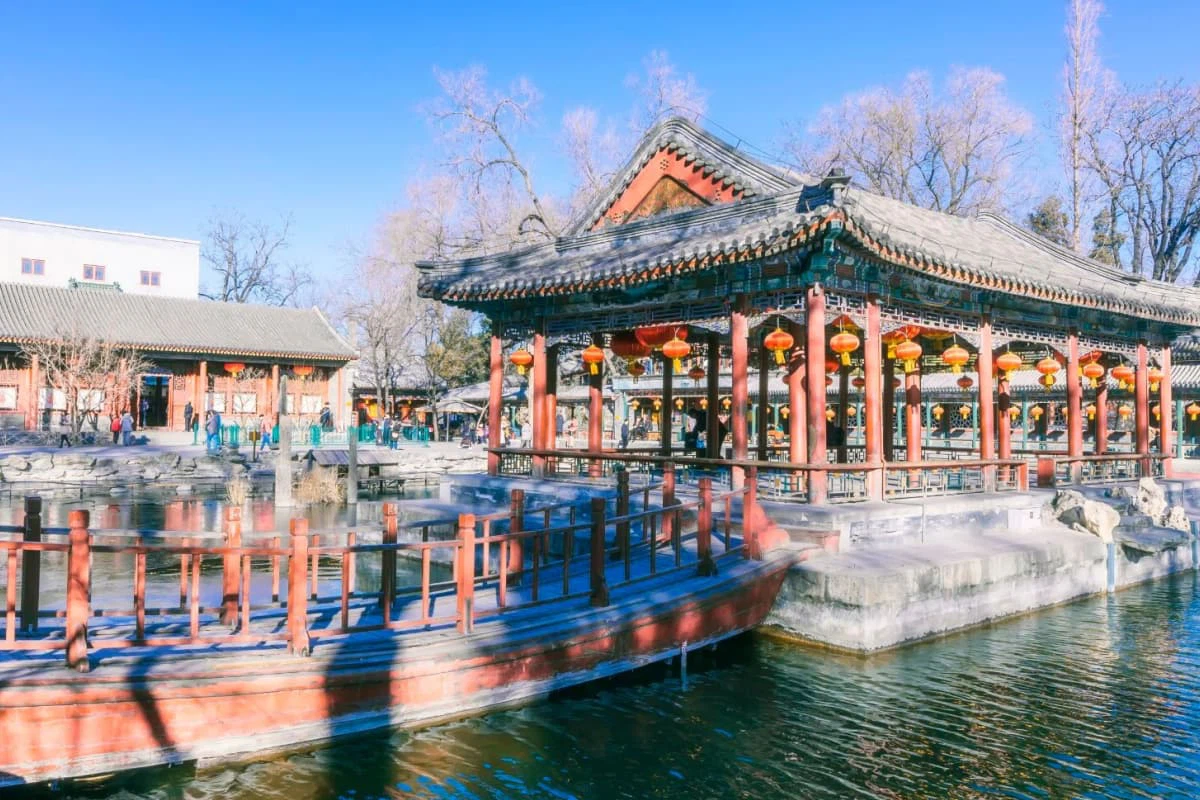
The palace explains authority and court life. The Temple of Heaven explains state ritual. The Summer Palace shows how landscape and leisure supported royal life. The Great Wall adds defense and geography. Hutongs bring the story down to family courtyards, neighborhood trade, food, and the changing old city.
Choose Your Cultural Focus
| Main Interest | Give More Time To | Reduce or Replace |
|---|---|---|
| Ming–Qing Imperial History | Forbidden City, Jingshan, Tiananmen area, Summer Palace, and one well-chosen museum. | Generic shopping stops and unrelated modern attractions. |
| Architecture and Urban Form | Palace courtyards, the central axis, Temple of Heaven, hutongs, gates, roof forms, and garden layout. | Long museum visits that repeat material already explained on site. |
| Religion and Ritual | Temple of Heaven plus selected Buddhist, Confucian, or neighborhood religious sites. | A second garden or distant attraction that breaks the thematic sequence. |
| Overseas Chinese Family Learning | Clear historical context, family-level stories, hutong life, food, and age-appropriate discussion. | Dense academic explanation and several physically demanding days in a row. |

The Core Chapter
How Deep Should the Forbidden City Tour Go?
Focused visit: about three to four hours. Follow the central axis, understand the main ceremonial halls, enter the inner court, and finish through the Imperial Garden.
Deeper visit: about four to five hours. Add one carefully selected side-palace area or collection space when access conditions support it. Spend more time on roof forms, color, thresholds, orientation, rank, and the division between public ceremony and private life.
Jingshan is a strong visual conclusion only when the group still wants the extra climb. The Great Wall and Summer Palace should remain on separate days.
Three, Four, or Five Days: Build the Story in the Right Order
Day 1: Tiananmen area, Forbidden City, optional Jingshan.
Day 2: Dedicated Great Wall day.
Day 3: Temple of Heaven, hutongs, and local food.
Best for a first visit covering imperial authority, ritual, defense, and neighborhood life. Review the Beijing 3-Day Private Tour.
Keep the three-day core and add the Summer Palace as a separate royal-garden chapter. A temple area or museum can replace part of the hutong day when religion, art, or archaeology is the stronger interest.
Place each major heritage chapter on its own day, then use the fifth day for temples, museums, Prince Gong's Mansion, deeper hutong life, food, or a lighter old-city route.

Where Jingshan and the Hutongs Fit
Jingshan Park: use it after the Forbidden City for the clearest view of the palace roofs and central axis. Skip it when the group has reached its walking limit.
Hutongs: place them after the Temple of Heaven, during a food-focused afternoon, or as a relaxed evening. Courtyard scale, neighborhood lanes, tea, small shops, family stories, and local meals explain the city beyond monumental architecture.
Defense and Geography
Choose the Great Wall by History and Physical Effort
The Wall adds frontier policy, mountain geography, construction, passes, watchtowers, communication, and military organization. It also brings the most demanding terrain of the itinerary.
Mutianyu: restored architecture, cable-car planning, and flexible walking distance.
Badaling: established visitor facilities and a classic restored section; crowd timing matters.
Jinshanling: stronger for active walkers and photographers who want more fortification detail.
Compare Beijing Great Wall Tours
Food and Evening Culture Should Support the Theme
Lunch should sit close to the route and provide a real break. A famous restaurant is not useful when it adds a long transfer, a queue, and another formal program to an already demanding day.
Use a hutong meal, Beijing roast duck, traditional snacks, tea, or a neighborhood restaurant to connect food with place.
An evening can include a slower Shichahai walk, courtyard-area dinner, an appropriate performance, or free time near the hotel. After a full Forbidden City or Great Wall day, rest is often the better cultural decision.
What Your Guide Should Explain
Who This Tour Suits
A Strong Fit
History and architecture travelers, education-focused families, overseas Chinese families, first-time China visitors who want context, returning visitors, photographers, and small groups comfortable with guide-led discussion.
Choose a General Private Tour Instead
Travelers who mainly want quick landmark photos, shopping, nightlife, modern attractions, theme parks, or several unrelated stops each day will get more value from a broader Beijing Private Tour.
Beijing Heritage Itinerary, Forbidden City and Tiananmen, and Beijing Food and Hutong Tours can be linked here after those pages are published.
What to Share Before We Build the Route
- Travel dates, arrival and departure times, hotel area, and next city in China
- Group size, ages of children or older travelers, and preferred walking level
- Your strongest themes: imperial history, architecture, religion, gardens, defense, hutongs, food, museums, or photography
- How much guided explanation your group enjoys before needing quiet time or a change of activity
- Must-see places and the attractions you are prepared to remove
- Dietary needs, preferred meal times, and whether you want a cultural evening
Build a Deeper Beijing Heritage Route
Tell us the history, architecture, food, religion, garden, defense, or local-life themes you want to explore.
Plan My Heritage Route


