

Prince Gong's Mansion:Half the History of the Qing Dynasty a Mansion That Captures the Essence of Beijing Tourism
On the golden route of Beijing tourism, connecting the Hutongs to Shichahai and the Bell and Drum Tower, the Prince Gong Mansion stands as a low-key yet significant landmark. While it may not boast the dazzling yellow glazed tiles of the Forbidden City, its status as "Prince Gong's Mansion, Half the History of the Qing Dynasty" makes it an essential Beijing attraction on any Beijing travel guide. In 1,000 words, let's explore, explore, and photograph the beauty of this 60,000-square-meter Qing Dynasty palace.
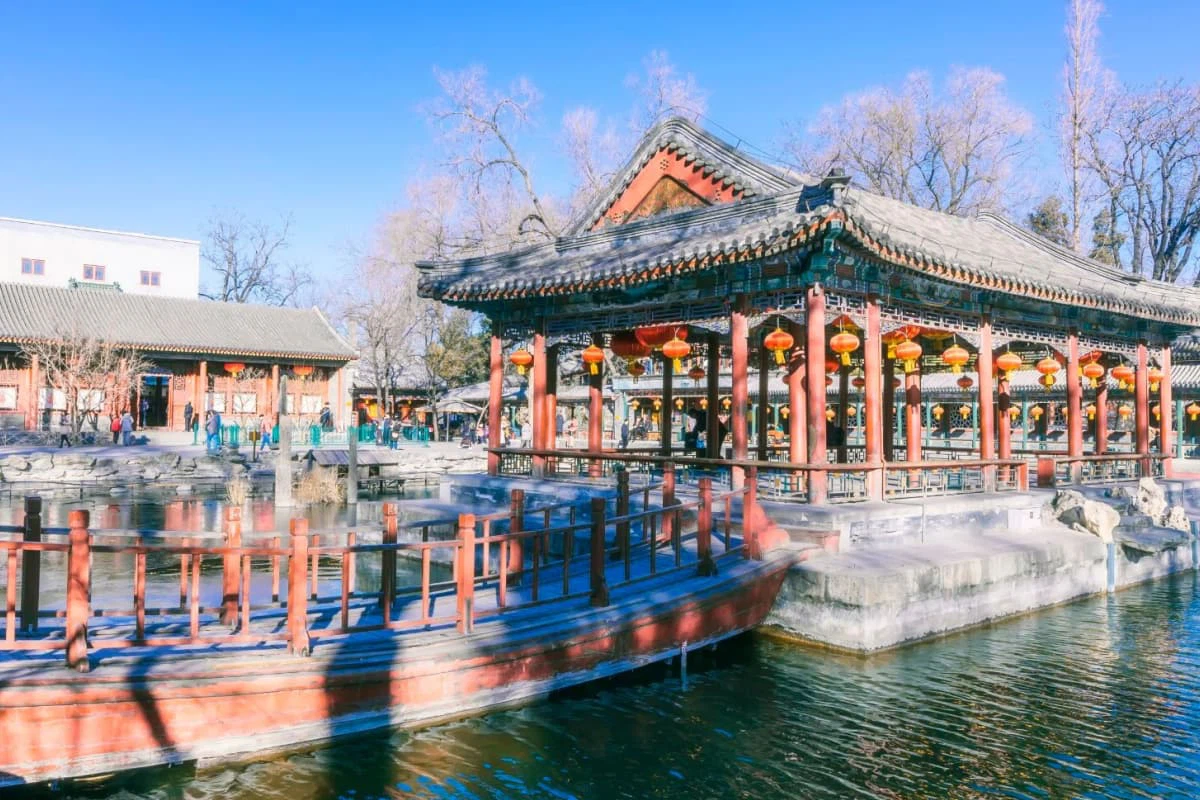
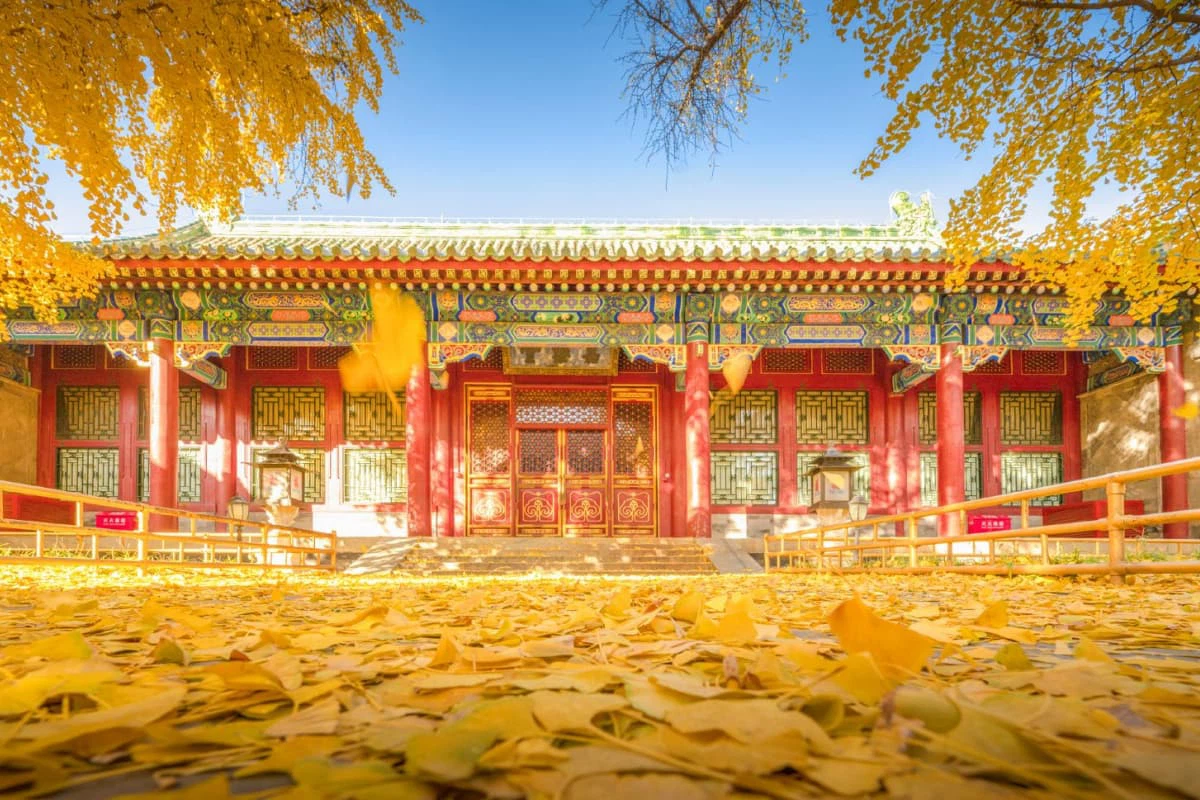
1. One, Two Owners, a Political Drama
The Prince Gong Mansion was built in 1780, the 45th year of Emperor Qianlong's reign. Its original owner was Heshen, a man considered "second only to the emperor and above all others." The mansion is lavishly decorated: its oversized green glazed tiles, a 180-meter-long rear pavilion (the "treasure house"), and 99.5 hidden rooms and secret compartments all evoke the ostentatious image of a man so wealthy he could rival a nation. Four days after Emperor Qianlong's death, Heshen was executed, and the mansion was immediately confiscated. Emperor Jiaqing bestowed it on his younger brother, Prince Qing Yonglin. Later, Emperor Xianfeng's sixth brother, Prince Gong Yixin, moved in, solidifying the name "Prince Gong's Mansion." From powerful ministers to princes, the mansion witnessed the dramatic rise and fall of the Qing Dynasty, cementing its unique status as a "drama-inducing" attraction among Beijing attractions.
2. Architectural Secrets: The Prince's "Unassuming Luxury"
1. The Mansion: Three Corridors and Five Courtyards, Order of Respect
The Yin'an Hall in the center serves as a "palace version of the Hall of Supreme Harmony," used only for major ceremonial functions; the Baoguang Room in the west served as Prince Gong's private chamber for negotiations with foreign envoys; and the Duofu Pavilion in the east served as his daily office. 2. Treasure House: An Excellence in the Wall
The rear wall of the rear building features 44 windows of various shapes, each representing a treasure. Heshen meticulously imitated the number 9999 and a half of the Forbidden City's rooms, embodying the concept of "nine nines return to one."
3. Garden: A Jiangnan Dream in a Northern Courtyard
Cuijin Garden covers 28,000 square meters, surrounded by mountains on three sides and a river flowing through it. Over 50 pavilions and towers "fold" a Jiangnan garden into a Beijing hutong. Its Western-style arched stone gate, the Secret Cloud Cave at Dicui Rock, and the Emperor Kangxi's imperial stele inscribed "The First Blessing Under Heaven" are known as the "Three Wonders and One Treasure."
3. Check-in Route: A 3-Hour Immersive Beijing Guide
• 10:00 AM: Exit Beihai North Station, Line 6, from Exit B. Walk 5 minutes to the main entrance of the residence (Ticket price 40 yuan; reservations are recommended in advance on the official website during peak season). • 10:15-11:00 Central Axis: Yin'an Hall → Jiale Hall → Baoguang Room. Look up and see the number of ridge ornaments on the roof-the prince's regulations are second only to those of the Imperial Palace.
• 11:00-11:30 Take photos along the 180-meter-long wall of the Back Pavilion. The window lattices serve as frames, each frame a postcard.
• 11:30-12:30 In-depth Garden Tour:
- Take photos of the silhouette of the arched doorway, a fusion of Chinese and Western styles, at the Western Gate;
- Touch the Kangxi "Fu" stele at the Secret Cloud Cave for the auspicious symbol of "many children, abundant land, abundant talents, and longevity";
- Overlook the entire garden from the Yaoyue Terrace. In autumn, the bat pond is filled with ginkgo leaves and overflowing with "lucky money." • 12:30-1:30 PM Refuel at the time-honored "Jiumen Snacks" on Qianhai West Street outside the palace. The zhajiangmian (fried bean curd noodles) and douzhi (soy bean juice) combo is 38 yuan, authentic and filling.

4.Seasonal Easter Eggs: Explore Beijing from More Than Just One Side
Spring | Elm seeds blanket the bat pond, a homophone for "surplus money"
Summer | Green moss drips from Dicui Rock, and the flowing wine cups recreate the Lanting Gathering
Autumn | Golden ginkgo trees in the back garden contrast with the vermilion palace walls, a 100% photo-taking rate
Winter | Falling snow blankets the roof, transporting you to the set of "Startling by Each Step"
5.Easter Egg Q&A: Become a Cultural Expert
Q: How is "equal status" defined in the Prince Gong Mansion?
A: The palace gate is the "Golden Pillar Gate," with two towering pillars symbolizing "door dang" (a proper door); the brick carvings on the courtyard screen wall depicting "Fuqing Youyu" (abundant blessings and prosperity) represent "household dang" (a proper household). In ancient times, marriages were arranged based on the front door, and it turns out there's a real-world basis for this.
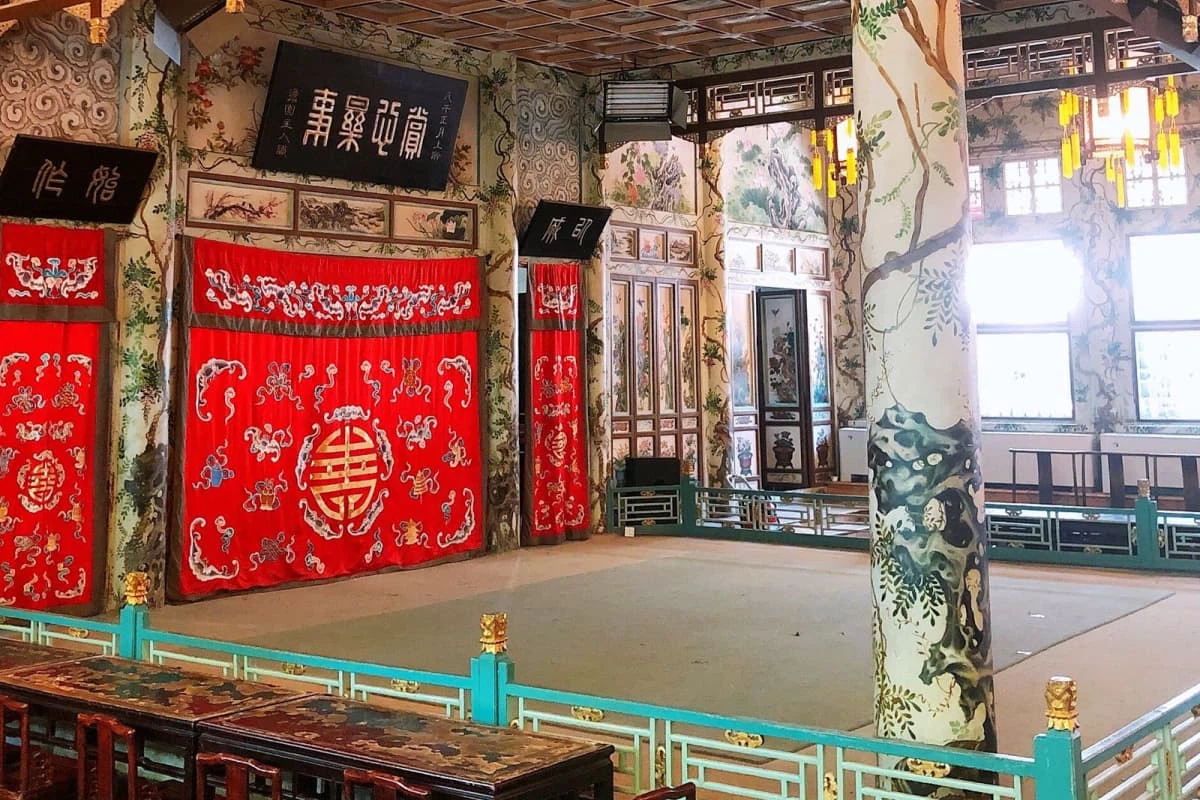
Q: Why are there no nails in the Grand Theater?
A: Three volumes are connected to form a wooden structure, and 18 large vats are buried beneath the stage for resonance, allowing the sound to reach the back garden without a microphone.
Conclusion
From the extravagance of Heshen to the forbearance of Prince Gong, to the red walls and green tiles captured in today's tourist photos, the Prince Gong Mansion is like a piece of amber, preserving over 240 years of imperial politics, princely life, and the hustle and bustle of the city. Next time you're planning a Beijing itinerary, save the Forbidden City for the morning, Shichahai for the evening, and the Prince Gong Mansion for the afternoon-here, history is no longer aloof, but a tangible, audible, and portable memory of Beijing.